
The Ultimate Guide to Wedding Dress Alterations: What Brides Must Know
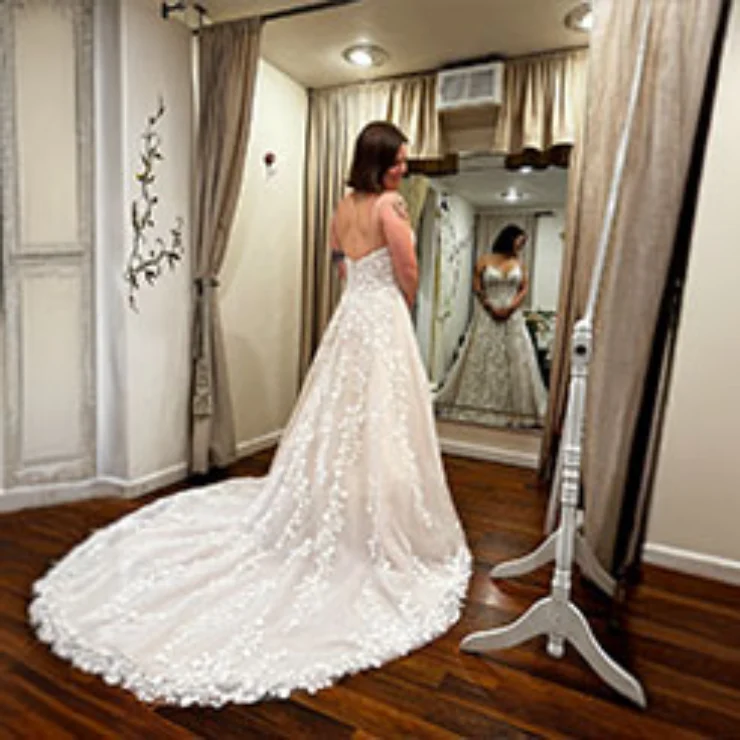
Finding your dream wedding dress is magical—but achieving the perfect fit is where the real transformation happens. Wedding dress alterations ensure your gown complements your body, enhances your silhouette, and feels comfortable from the ceremony to the last dance. Whether your dress is custom-made or purchased off the rack, almost every bride needs alterations to achieve the flawless bridal look.
This guide walks you through everything to expect from the alterations process, including timelines, types of adjustments, pricing expectations, and tips for working with your seamstress.
Why Wedding Dress Alterations Are Essential
No matter how stunning your gown is, it won’t look perfect unless it fits your body shape precisely. Alterations help:
-
Improve the overall silhouette
-
Adjust the hem to match your height and shoes
-
Support the bust area properly
-
Add or adjust straps
-
Ensure effortless movement and comfort
-
Customize design details to match your style
A beautifully fitted gown boosts confidence and allows you to enjoy your wedding day without feeling restricted.
Types of Wedding Dress Alterations
1. Standard Alterations
These changes are common for most brides:
-
Hem shortening or lengthening
-
Taking in or letting out the sides
-
Strap adjustments
-
Bust support correction
-
Adding a bustle
2. Advanced Alterations
These adjustments help refine the look of your gown:
-
Reshaping the neckline
-
Altering the back design
-
Adding or modifying cups
-
Adjusting layers or tulle
-
Reworking lace placements
3. Custom Modifications
Perfect if you want a unique or more personalized dress:
-
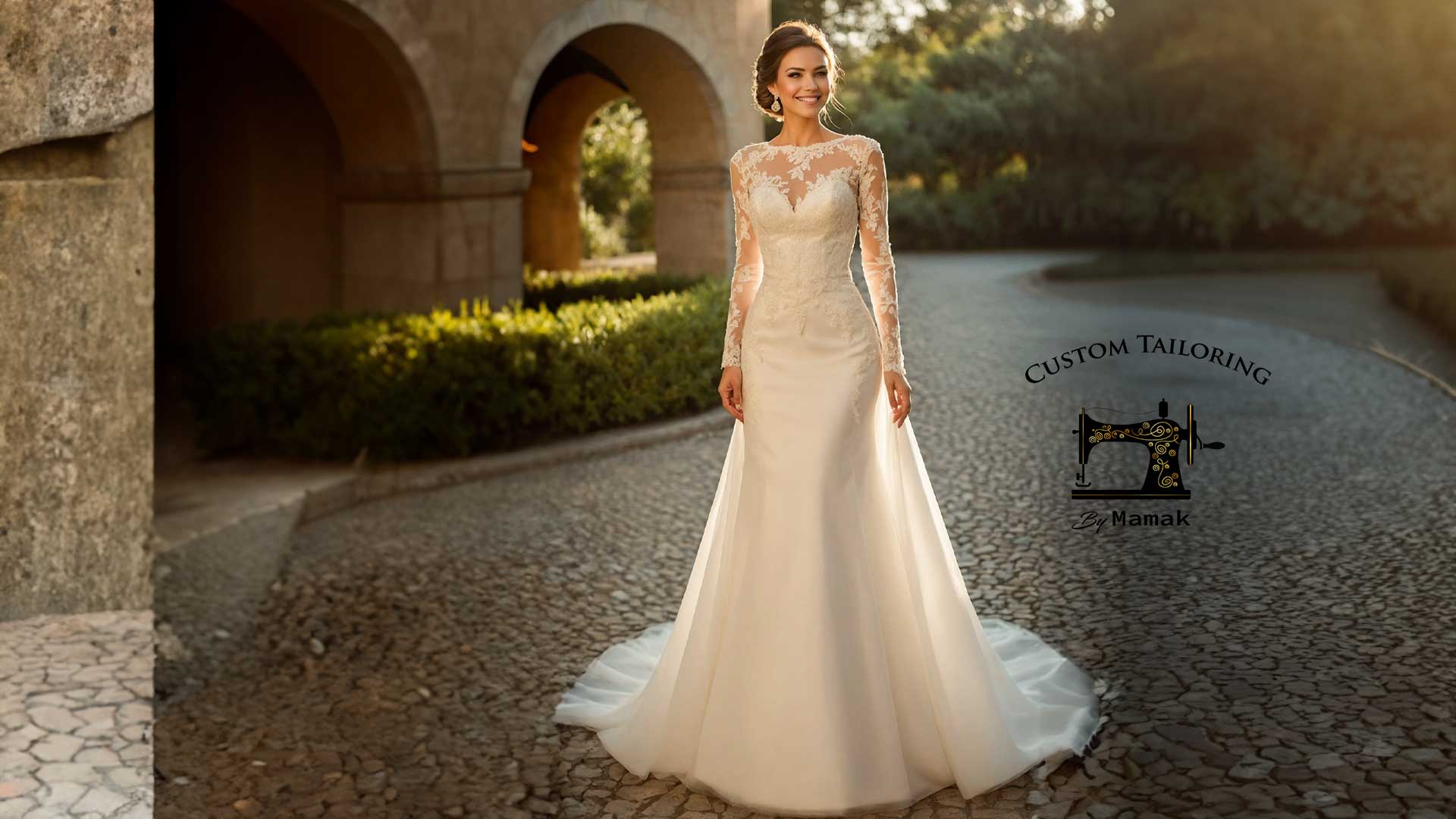
Adding sleeves, off-the-shoulder straps, or illusion elements
-
Creating a detachable train
-
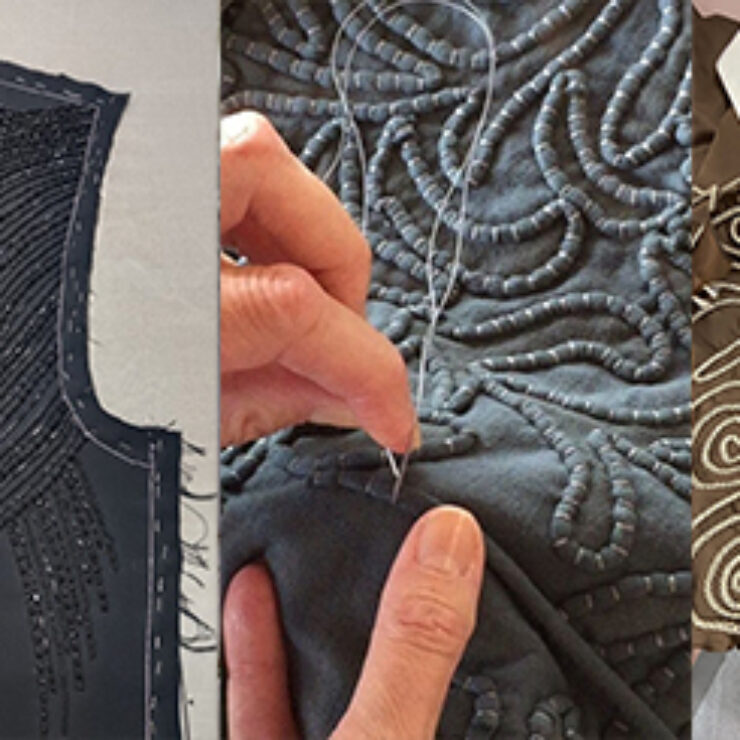
Adding beadwork or embellishments
-
Changing the silhouette (A-line → mermaid, etc.)
These types of alterations require an experienced seamstress, especially for gowns with delicate fabrics, lace, or beading.
How Long Do Wedding Dress Alterations Take?
The alterations process typically takes 6–12 weeks, depending on how detailed the changes are.
Recommended Timeline
-
First fitting: 2–3 months before the wedding
-
Second fitting: 4–6 weeks before
-
Final fitting: 1–2 weeks before
-
Last-minute adjustments (optional): A few days before the event
Rushed or same-day alterations are possible in some cases, but they may come at an additional cost.
What to Bring to Your Fittings
To ensure accuracy, always bring:
✔ Your wedding shoes
✔ The exact undergarments you will wear
✔ Shapewear (if any)
✔ Your veil or accessories (for styling balance)
✔ Photos of your vision, if you’re customizing the gown
Everything you bring affects the way the dress fits and moves.
Tips for Brides During the Alterations Process
-
Be honest about what feels comfortable
-
Keep your posture consistent during fittings
-
Avoid crash dieting—your body shape should remain stable
-
Take photos during each fitting to track changes
-
Trust your seamstress’s recommendations; they know how fabrics behave
Why Professional Alterations Matter
Wedding dresses are delicate garments made with detailed craftsmanship. A skilled alteration specialist understands how to work with:
-
Chantilly and corded lace
-
Satin, crepe, silk, and organza
-
Beaded fabrics
-
Corset structures and boning
-
Multiple layers of tulle
The right professional ensures that every adjustment looks natural and seamless.
Final Thoughts (Including Location Mention)
Wedding dress alterations are one of the most important steps in achieving your perfect bridal look. Whether you’re keeping it classic or customizing every detail, choosing a skilled professional ensures your gown fits beautifully and feels comfortable throughout your celebration. If you’re planning your wedding or scheduling fittings in San Diego, California, working with an experienced specialist will guarantee the flawless finish every bride deserves.
Related Posts